Brain SVG: A Versatile Digital Asset for Creative and Practical Applications
Brain SVG is a digital illustration of the human brain, designed in scalable vector graphics (SVG) format. It's more than just an image—it's a flexible tool that can be used across various industries and purposes. Whether you're designing educational materials, creating marketing assets, or working on personal projects, Brain SVG offers a clean, high-quality visual representation that adapts to your needs.
What Is Brain SVG?
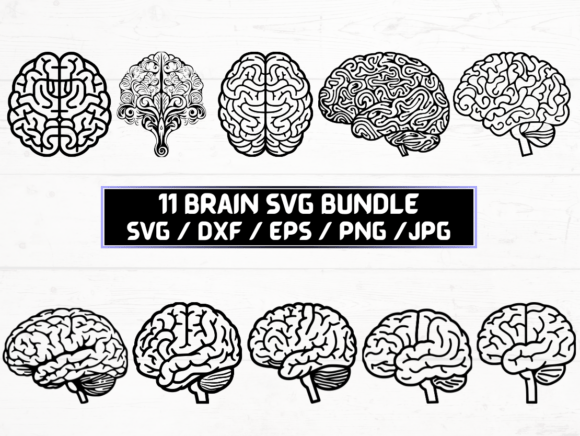
Brain SVG is a file containing a vector-based illustration of the human brain. Unlike raster images, SVGs maintain clarity at any size, making them ideal for both small icons and large banners. This particular Brain SVG comes with multiple file formats, including PNG, DXF, JPG, and EPS, ensuring compatibility with a wide range of design and production tools.
The downloadable package includes 11 versions of the brain illustration—each tailored for different applications. These files are available in high resolution (300 dpi) with transparent backgrounds, which makes them easy to overlay on other designs without unwanted white spaces or borders.
Real-World Uses of Brain SVG
Brain SVG isn't limited to one specific use case. Its versatility allows it to be integrated into a variety of real-world scenarios. Here are some practical examples:
- Educational Materials: Teachers and educators can use Brain SVG to create visually engaging presentations, worksheets, or diagrams for students studying neuroscience, psychology, or biology. The transparent background makes it easy to combine with other elements like labels, arrows, or text annotations.
- Marketing and Advertising: Businesses in the health, wellness, or mental fitness sectors can leverage Brain SVG in their branding. It can be used in social media posts, website banners, or promotional emails to convey themes of cognitive health, learning, or brain-related products.
- Graphic Design Projects: Graphic designers often need high-quality, adaptable assets for client projects. Brain SVG provides a ready-to-use element that can be customized with colors, gradients, or effects to match the project's aesthetic.
- Crafting and DIY Enthusiasts: If you enjoy crafting, Brain SVG can be printed and used in handmade items such as greeting cards, stickers, or even fabric prints. The DXF format also makes it compatible with laser cutters and CNC machines for physical creations.
Who Benefits from Using Brain SVG?
Brain SVG has a broad appeal and can be useful for people from different walks of life. Here’s how various users might find value in it:
- Teachers and Educators: They can use Brain SVG to simplify complex concepts and make learning more interactive. For example, labeling parts of the brain becomes easier with a clear, scalable illustration.
- Healthcare Professionals: Doctors, therapists, and counselors may incorporate Brain SVG into patient education materials or presentation slides to explain neurological conditions or cognitive processes in a visual way.
- Marketers and Brand Managers: These professionals can enhance their campaigns by using Brain SVG in visuals that highlight mental wellness, productivity, or innovation.
- Students and Researchers: Anyone studying brain anatomy or related fields can benefit from having access to a high-resolution, editable brain illustration that can be used in reports, posters, or research papers.
- Crafters and Artists: Those who love creating unique, handmade items will appreciate the flexibility of Brain SVG. It can be adapted for use in a wide range of creative projects, from digital art to physical crafts.
Considerations Before Using Brain SVG
While Brain SVG is a powerful asset, there are a few things to consider before using it:
- Licensing and Usage Rights: Always check the licensing terms provided with the product. Make sure you understand what you're allowed to do with the files—whether it's for commercial use, personal projects, or redistribution.
- File Compatibility: While the package includes multiple formats, not all software supports every type. For instance, EPS files are best suited for print design, while SVGs work well in web-based applications. Choose the right format based on your intended use.
- Customization Needs: If you plan to modify the brain illustration significantly, ensure that the file format you choose allows for editing. SVG and EPS files are typically more editable than PNG or JPG formats.
- Resolution Requirements: Although the files come at 300 dpi, always verify that this meets the needs of your project. High-resolution files are essential for print, while lower resolutions may suffice for digital use.
Limitations of Brain SVG
No asset is perfect, and Brain SVG is no exception. Some limitations include:
- Level of Detail: Depending on the version, the brain illustration may lack anatomical precision. If you require highly detailed medical accuracy, additional resources or specialized illustrations may be necessary.
- Color Options: The default color scheme may not align with your brand or project. You’ll need to edit the files or use tools to adjust the colors, which could add time to your workflow.
- Complex Modifications: If you want to add intricate details or animations, you may need advanced design skills or software that supports those features.
Getting Started with Brain SVG
Once you've downloaded the Brain SVG package, you can start using the files immediately. Open the ZIP folder to access the 11 SVG, PNG, DXF, JPG, and EPS files. Choose the format that best suits your project and begin customizing. Whether you're designing for print, digital media, or physical crafts, Brain SVG provides a solid foundation that you can build upon.
Remember, the key to getting the most out of Brain SVG is understanding its strengths and limitations. Use it where it fits best, and don’t hesitate to pair it with other assets or tools to achieve your goals.