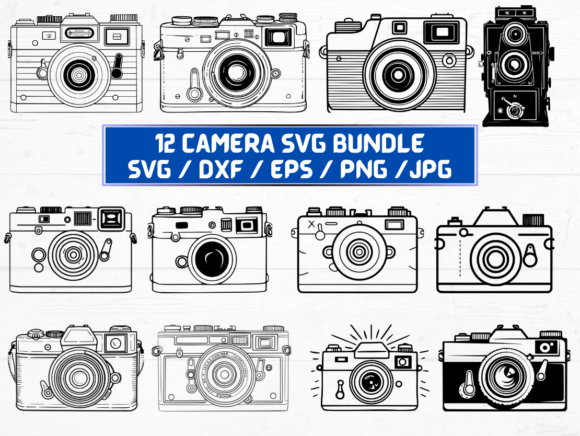
Camera SVG, DXF, EPS, JPG, PNG: A Comprehensive Guide for Designers and Creators
Whether you're a graphic designer, an entrepreneur, or a creative professional, having access to high-quality digital assets is essential. One such asset that has become increasingly popular is the Camera SVG, DXF, EPS, JPG, and PNG file set. These files are designed to meet the needs of various industries and applications, offering versatility and precision in design and production.
Understanding Camera SVG, DXF, EPS, JPG, and PNG Files
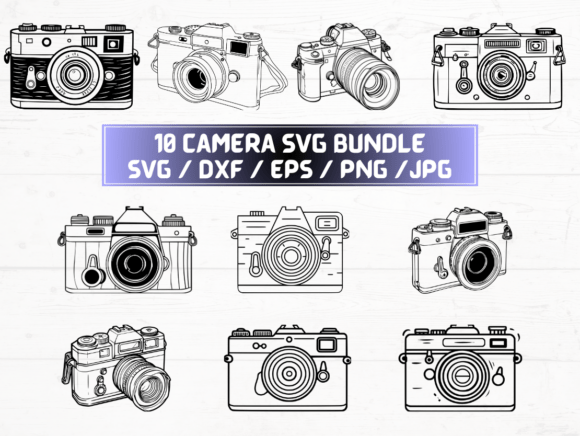
The term "Camera" in this context refers to a digital illustration or vector representation of a camera. This image can be used in a wide range of applications, from web design to print media. The different file formats—SVG, DXF, EPS, JPG, and PNG—each serve unique purposes and come with their own benefits.
SVG (Scalable Vector Graphics) is a vector format ideal for web use. It allows images to scale without losing quality, making it perfect for logos, icons, and illustrations that need to appear crisp on any screen size.
DXF (Drawing Exchange Format) is commonly used in CAD software. It's great for technical drawings and blueprints, allowing for precise measurements and edits within engineering or architectural projects.
EPS (Encapsulated PostScript) is another vector format, often used in print media. It provides high-resolution output and is compatible with many design programs, making it a favorite among professionals who require detailed and scalable graphics.
JPG (Joint Photographic Experts Group) is a raster format best suited for photographs and complex images. While it compresses data, it's not ideal for transparent backgrounds or sharp edges.
PNG (Portable Network Graphics) is a raster format that supports transparency, making it a go-to choice for web graphics and icons where a transparent background is needed.
Where Can You Use Camera SVG, DXF, EPS, JPG, and PNG?
The Camera SVG, DXF, EPS, JPG, and PNG files are incredibly versatile and can be applied in various fields:
- Graphic Design: Use SVG and PNG files for website headers, social media posts, and digital banners.
- Print Media: EPS and JPG files are excellent for magazine layouts, posters, and packaging designs.
- CAD and Engineering: DXF files are widely used for technical illustrations, schematics, and blueprints.
- Marketing and Advertising: Create eye-catching advertisements using PNG and JPG formats for high-resolution visuals.
- E-commerce: Showcase products with high-quality images using JPG and PNG files for product listings.
Who Benefits from Camera SVG, DXF, EPS, JPG, and PNG?
The Camera SVG, DXF, EPS, JPG, and PNG file set is beneficial for a wide array of users:
- Designers: Access to multiple formats ensures flexibility in project requirements and client preferences.
- Business Owners: Use these files for branding, marketing materials, and website development.
- Freelancers: Quick access to high-quality assets saves time and enhances productivity.
- Students and Educators: Ideal for learning design principles and practicing with real-world examples.
- Entrepreneurs: Perfect for creating digital products, stock graphics, or printable templates.
Strengths and Considerations
The main strengths of the Camera SVG, DXF, EPS, JPG, and PNG file set include its versatility, high quality, and ease of use across different platforms and software. However, there are also some considerations to keep in mind:
- File Size: Vector formats like SVG and EPS tend to be smaller than raster formats like JPG and PNG, which can be larger depending on resolution and compression settings.
- Compatibility: Ensure your design software supports the specific file formats you need. For example, DXF may not be supported by all graphic design tools.
- Resolution: Raster files like JPG and PNG have fixed resolutions, so they may not scale as well as vector files when resized.
- Transparency: PNG files support transparency, while JPG does not. This is important if you need to overlay images on different backgrounds.
Real-World Applications and Scenarios
Let’s explore some practical scenarios where the Camera SVG, DXF, EPS, JPG, and PNG file set can be useful:
Scenario 1: Website Development
A web developer needs a camera icon for a photography blog. They can use the SVG file for scalability and the PNG file for a transparent background that blends seamlessly with the site's layout.
Scenario 2: Print Advertising
A marketing team is designing a poster for a new camera launch. They would use the EPS file for high-resolution printing and the JPG file for digital previews and social media promotions.
Scenario 3: CAD Modeling
An engineer working on a product prototype might use the DXF file to integrate the camera illustration into a larger technical drawing, ensuring accurate dimensions and alignment.
Evaluating Suitability for Your Needs
Before purchasing or using the Camera SVG, DXF, EPS, JPG, and PNG file set, consider the following factors:
- Project Requirements: Determine which file formats are necessary based on your end goal—web use, print, or CAD modeling.
- Software Compatibility: Check if your design software supports the required formats. Some programs may not handle certain file types well.
- Budget: While the file set is typically affordable, ensure it aligns with your overall budget for digital assets.
- Quality Expectations: Review sample files or previews to ensure the quality meets your standards before committing to a purchase.
By carefully evaluating these aspects, you can make an informed decision about whether the Camera SVG, DXF, EPS, JPG, and PNG file set is right for your project or business.
Final Thoughts
The Camera SVG, DXF, EPS, JPG, and PNG file set offers a valuable resource for anyone involved in design, marketing, or engineering. With its diverse formats and high-quality outputs, it provides flexibility and precision for a variety of applications. Whether you're looking to enhance your digital presence, create professional-grade print materials, or work on technical drawings, this file set can help bring your vision to life.