Exploring Fairy SVG, DXF, EPS, JPG, and PNG Files for Creative Projects
Whether you're a graphic designer, a small business owner, or someone looking to enhance your digital projects, understanding the value of Fairy SVG, DXF, EPS, JPG, and PNG files can make a significant difference. These file formats are widely used in both professional and personal creative workflows, offering versatility and functionality that cater to a range of needs. This article provides an in-depth look at these formats, their uses, and how they can benefit your work.
What Are Fairy SVG, DXF, EPS, JPG, and PNG Files?
Fairy SVG is a vector format that allows for scalable graphics without loss of quality. It's ideal for logos, icons, and illustrations that need to be resized frequently. DXF, short for Drawing Exchange Format, is commonly used in engineering and architectural design. EPS, or Encapsulated PostScript, is another vector format known for its compatibility with various design software. JPG and PNG are raster formats, with JPG being great for photographs due to its compression, while PNG offers lossless quality and transparency support.
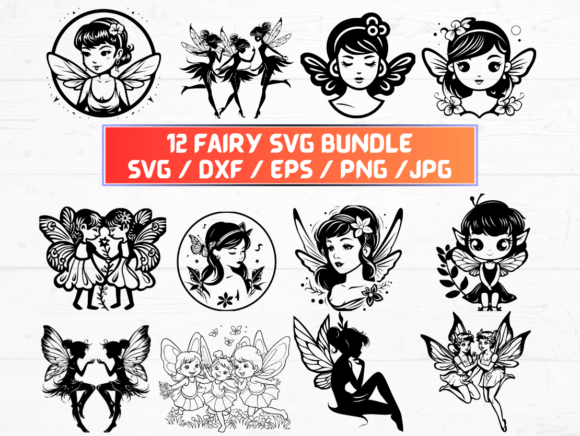
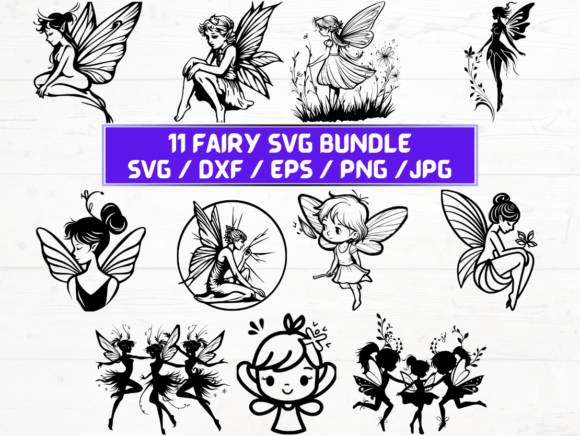
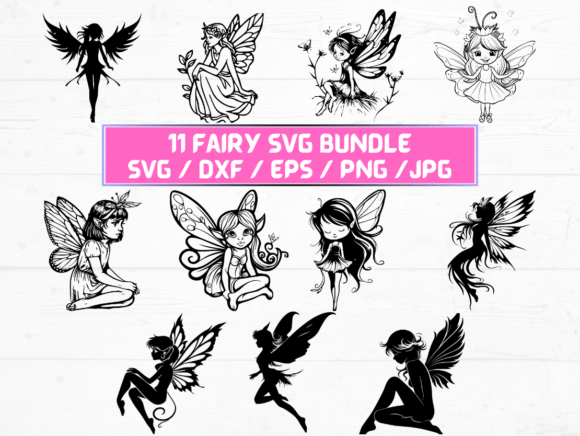
This listing includes 5 files in a ZIP folder, with each format represented by 11 files. The package includes 11 SVG, 11 PNG, 11 DXF, 11 JPG, and 11 EPS files, all at 300 dpi with transparent backgrounds. This ensures high-quality output suitable for both print and digital use.
Why Choose Fairy SVG, DXF, EPS, JPG, and PNG Files?
Each format has unique strengths that make them valuable in different contexts. For instance, SVG files are perfect for web-based projects because they scale seamlessly across devices and screen sizes. They also support interactivity and animation, making them ideal for modern web design.
DXF files are particularly useful for technical drawings and blueprints. Their ability to store detailed geometric data makes them essential in fields like architecture, engineering, and manufacturing. On the other hand, EPS files are excellent for print media due to their high resolution and compatibility with most design programs.
JPG and PNG files are more suited for digital media such as websites, social media, and mobile applications. While JPG offers smaller file sizes, it may compromise on image quality due to compression. PNG files, however, maintain high quality and support transparency, making them ideal for logos, buttons, and overlays.
Where Can You Use Fairy SVG, DXF, EPS, JPG, and PNG Files?
The versatility of these file types means they can be applied in a wide range of scenarios:
- Graphic Design: Use SVG for scalable icons, EPS for print-ready artwork, and PNG for web graphics.
- Web Development: Incorporate SVG into websites for interactive elements and responsive design.
- Product Design: Utilize DXF for precise technical drawings and EPS for branding materials.
- Photography and Digital Art: Save images in JPG for online sharing and PNG for high-quality prints or digital collages.
- Education and Presentation: Create visually engaging slides using PNG and SVG for clarity and scalability.
These formats are also beneficial for business owners who want to create consistent branding across multiple platforms. Whether it's for marketing materials, website assets, or product packaging, having access to high-quality files in various formats ensures flexibility and adaptability.
Strengths and Limitations of Fairy SVG, DXF, EPS, JPG, and PNG Files
While these formats offer numerous benefits, it's important to understand their limitations:
- SVG files do not support complex photo editing features, making them less suitable for detailed photo manipulation.
- DXF files can be large and complex, which might slow down some design software if not optimized properly.
- EPS files are best used in print environments; they may not render well on certain digital platforms.
- JPG files lose quality with repeated compression, so they are not recommended for frequent edits.
- PNG files can be larger than JPG files, which may affect loading times on websites.
Despite these limitations, the advantages of these file types often outweigh their drawbacks. By choosing the right format for your specific project, you can maximize efficiency and quality.
Evaluating Suitability for Your Needs
When deciding which format to use, consider the following factors:
- Intended Use: Will the file be used for print, web, or both? This will determine which format is most appropriate.
- Quality Requirements: If high resolution and transparency are needed, opt for PNG or EPS.
- File Size Constraints: JPG files are generally smaller, making them better for online use, while PNG files maintain higher quality but take up more space.
- Software Compatibility: Ensure the format you choose is supported by the design tools you use.
- Scalability: Vector formats like SVG and EPS are ideal for scaling without losing quality, while raster formats like JPG and PNG are fixed in resolution.
For example, a logo designed in SVG can be easily scaled for use on a website, business card, or billboard without any loss of clarity. Similarly, a technical drawing saved in DXF can be shared with clients or manufacturers for accurate reproduction.
Real-World Applications of Fairy SVG, DXF, EPS, JPG, and PNG Files
Let’s explore some real-world examples where these file types play a crucial role:
- Logo Design: A company logo created in SVG can be used across various platforms, from websites to printed materials, ensuring consistency and scalability.
- Interior Design: Architects and designers use DXF files to create detailed floor plans and structural diagrams for clients and contractors.
- Online Marketing: Social media content creators use PNG files for overlays, text effects, and visual enhancements to engage audiences.
- Product Packaging: EPS files are often used for creating high-quality print-ready packaging designs that maintain clarity and detail.
- Photography: Photographers may use JPG files for quick uploads to social media, while PNG files are preferred for professional print portfolios.
By understanding the strengths and limitations of each format, you can make informed decisions that align with your creative goals and project requirements.
Conclusion
In conclusion, Fairy SVG, DXF, EPS, JPG, and PNG files are powerful tools that offer flexibility, quality, and versatility for a wide range of creative and professional applications. Whether you're designing for the web, preparing for print, or working on technical projects, selecting the right file format can significantly impact the outcome of your work.
With the availability of 11 files in each format, this ZIP folder provides a comprehensive resource for anyone looking to enhance their design workflow. By leveraging these formats effectively, you can ensure that your projects remain adaptable, high-quality, and visually appealing across all platforms.