Knight Outline Svg: A Guide to Choosing, Using, and Maximizing Your Digital Assets
Whether you're a designer, marketer, or small business owner, having the right tools can make all the difference. Knight Outline Svg is one such tool that offers a variety of file formats to suit different needs. But with so many options available, it's easy to overlook important details that could affect your workflow and final results.
Understanding Knight Outline Svg
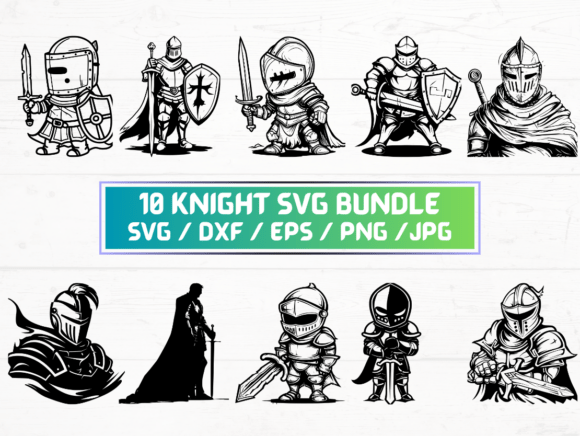
Knight Outline Svg is a digital product that includes multiple file types—SVG, PNG, JPG, EPS, and DXF—all designed for versatility and high-quality output. These files are ideal for use in graphic design, print, web development, and more. The package contains 10 files in each format, making it a comprehensive resource for creators who need scalable and editable graphics.
Each file is created at 300 dpi with a transparent background, ensuring compatibility across various platforms and applications. This level of detail is crucial for professionals who require precision in their work. However, understanding how to best utilize these files requires more than just downloading them—it involves knowing when and how to apply them effectively.
Common Mistakes When Using Knight Outline Svg
Many users rush into using Knight Outline Svg without considering the nuances of file formats and their intended use cases. One common mistake is assuming that all file types are interchangeable. For example, SVG files are vector-based and ideal for scalability, while PNGs are raster-based and better suited for web use or print with transparency.
Another frequent error is not checking the resolution and size of the files before use. While 300 dpi is standard for print, some applications may require higher resolution or specific dimensions. Failing to adjust the files accordingly can lead to poor quality outputs, especially when scaling up or printing large formats.
Additionally, some users overlook the importance of file compatibility. Not all software supports every format, so it’s essential to verify that your chosen application can open and edit the files you’ve downloaded. This step can save you time and frustration, especially if you’re working on a tight deadline.
How to Avoid These Mistakes
To ensure you get the most out of Knight Outline Svg, start by understanding the purpose of each file type. If you're designing for the web, prioritize SVG and PNG formats for their scalability and lightweight nature. For print projects, consider using high-resolution JPG or EPS files to maintain clarity and detail.
Before using any files, always check their specifications. Look for metadata that indicates resolution, color mode, and file size. If you're unsure about compatibility, test the files in your preferred software first. This simple step can prevent errors and streamline your workflow.
Also, be mindful of licensing and usage rights. Even though Knight Outline Svg is a digital product, it's important to understand the terms of use. Some files may be restricted for commercial use, while others are free to use in both personal and professional projects. Always review the license agreement provided with the download.
Realistic Examples and Better Approaches
Imagine you're creating a logo for a new brand. You might choose an SVG file because it allows for easy scaling and editing. However, if you plan to use the logo on social media or a website, a PNG file with a transparent background would be more appropriate. By selecting the right format based on your project's needs, you can avoid unnecessary complications and ensure a seamless experience.
Another scenario involves a print project, such as a brochure or flyer. In this case, using a high-resolution JPG or EPS file ensures that the image remains sharp and clear, even when printed in large sizes. Understanding the differences between file types and their applications helps you make informed decisions that align with your goals.
By taking the time to evaluate your project requirements and the capabilities of each file format, you can maximize the value of Knight Outline Svg and avoid common pitfalls that might otherwise hinder your progress.
What to Check Before Making a Decision
Before purchasing or downloading Knight Outline Svg, take a moment to consider your specific needs. Are you looking for vector graphics for design work? Do you need high-resolution images for print? Are there any restrictions on how you can use the files?
It’s also important to assess the overall quality of the product. Look for reviews or testimonials from other users to gauge satisfaction levels. While no product is perfect, feedback can provide valuable insights into potential issues or benefits you may not have considered.
Finally, ensure that the download process is straightforward and secure. Since Knight Outline Svg is a digital product, you should receive instant access to the files via email or a direct download link. Avoid any platform that requires additional steps or fees beyond the initial purchase.
Conclusion
Using Knight Outline Svg can be a powerful addition to your creative toolkit, but it requires careful consideration and planning. By avoiding common mistakes and following best practices, you can ensure that your projects are both efficient and effective. Whether you're a beginner or a seasoned professional, taking the time to understand the nuances of file formats and their applications will help you achieve better results and greater satisfaction with your work.