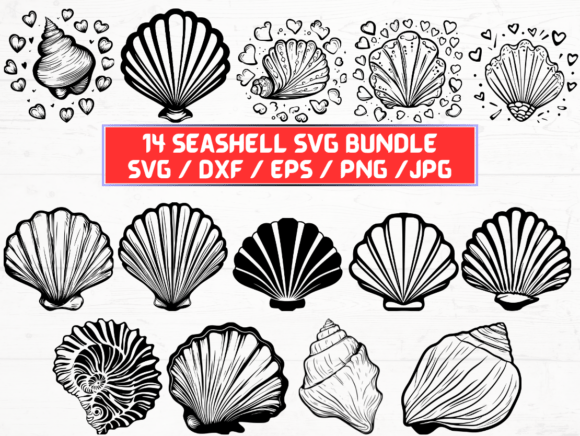
Seashell SVG, DXF, EPS, JPG, and PNG Files: A Versatile Digital Asset for Designers
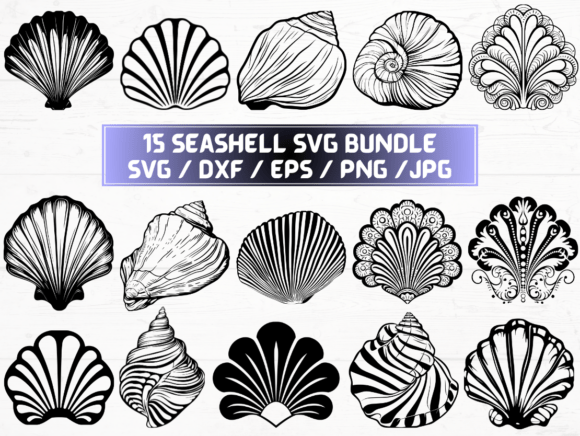
Whether you're crafting digital illustrations, preparing files for laser cutting, or designing print materials, having access to high-quality vector and raster formats is essential. The Seashell SVG, DXF, EPS, JPG, and PNG files offer a comprehensive set of digital assets that cater to various design needs. This downloadable package includes 15 files in each format, all neatly organized into a ZIP folder for instant access.
With this collection, designers, crafters, and hobbyists can easily integrate seashell imagery into their projects without worrying about compatibility or quality. From graphic design to home decor, these files provide the flexibility needed to adapt the visuals to different mediums and applications.
Understanding the File Formats Included
The Seashell file bundle includes several popular digital file formats, each with its own strengths and uses. Understanding what each format offers can help you decide which ones are best suited for your specific project.
- SVG (Scalable Vector Graphics): Ideal for web use and digital illustrations, SVG files maintain crisp edges at any size. They are perfect for logos, icons, and animations.
- DXF (Drawing Exchange Format): Commonly used in CAD software, DXF files are great for laser cutting, CNC machines, and 3D printing. They ensure precise measurements and accurate shapes.
- EPS (Encapsulated PostScript): A versatile vector format often used in professional printing. It supports both vector paths and bitmap images, making it suitable for high-resolution print jobs.
- JPG (Joint Photographic Experts Group): A widely used raster image format known for its compression efficiency. It's ideal for photographs and complex images but lacks transparency support.
- PNG (Portable Network Graphics): Offers lossless compression and transparent backgrounds, making it perfect for web graphics, app icons, and digital art that requires clear edges and transparency.
Each format has its unique advantages, and the inclusion of multiple versions ensures that you have the right tool for every situation.
How These Files Fit Into Modern Design Workflows
In today's fast-paced design world, versatility is key. The Seashell SVG, DXF, EPS, JPG, and PNG files are designed to seamlessly integrate into various workflows, from digital illustration to industrial manufacturing.
For graphic designers working on websites or mobile apps, SVG and PNG files are invaluable. SVGs scale perfectly without losing quality, while PNGs allow for transparent backgrounds, making them ideal for overlays and buttons.
Crafters and DIY enthusiasts will appreciate the DXF and EPS files, which are compatible with most CNC machines and laser cutters. Whether you're creating custom jewelry, wall art, or decorative items, these files ensure precision and accuracy in production.
Print professionals can rely on EPS and JPG files for high-quality output. EPS maintains vector integrity for large-scale prints, while JPG is optimized for photo-realistic images with rich color depth.
Practical Benefits of Using Seashell Files
One of the main benefits of using Seashell SVG, DXF, EPS, JPG, and PNG files is the time they save. Instead of starting from scratch, you can immediately begin incorporating these ready-to-use elements into your designs.
These files also offer a consistent look and feel across different media. Whether you're designing a logo that needs to appear on a website, business card, or promotional poster, having the same visual element in multiple formats ensures brand consistency.
Another advantage is the ability to customize. Since vector formats like SVG and EPS are editable, you can tweak colors, sizes, and shapes to match your project's specific requirements. This flexibility makes these files suitable for a wide range of creative endeavors.
Additionally, the transparent background option in PNG files allows for seamless integration with other graphics or backgrounds. This is particularly useful when creating layered designs or combining multiple elements in a single composition.
Considerations Before Choosing These Files
While the Seashell SVG, DXF, EPS, JPG, and PNG files are highly versatile, there are a few considerations to keep in mind before downloading and using them.
First, determine the intended use of the files. If you're planning to print the design, EPS and JPG files are better choices due to their high resolution and compatibility with professional printers. For digital use, SVG and PNG files are more appropriate because of their scalability and transparency support.
Second, check the software compatibility of the file formats. While most modern design programs support SVG and PNG, some older or specialized tools may require additional plugins or conversions to work with DXF or EPS files.
Lastly, consider the licensing and usage rights. Ensure that the files you're using are permitted for your specific application, whether it's personal use, commercial projects, or educational purposes.
Examples of Real-World Applications
The Seashell SVG, DXF, EPS, JPG, and PNG files can be used in a variety of real-world scenarios. Here are a few examples:
- Web Design: Use SVG and PNG files to create interactive elements such as buttons, icons, and animated illustrations on a website.
- Laser Cutting: Utilize DXF files to cut out intricate seashell patterns for custom home decor or signage.
- Print Media: Incorporate EPS and JPG files into brochures, posters, and packaging designs for a cohesive visual identity.
- Digital Art: Combine SVG and PNG files with other digital elements to create layered compositions or illustrations.
These examples highlight the diverse applications of the Seashell files, demonstrating their value across different industries and creative fields.
By choosing the right file format for your project, you can maximize the potential of these digital assets and achieve professional results with ease.