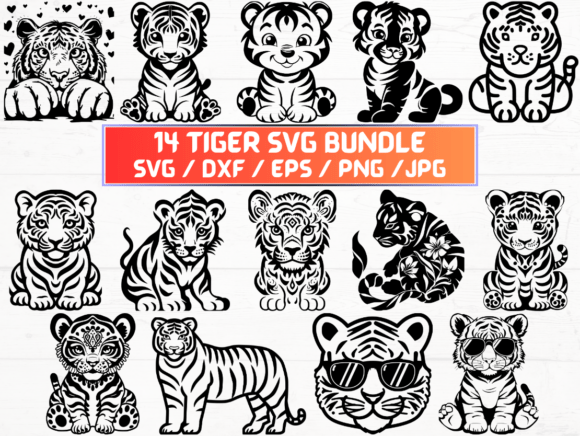
Tiger SVG File: Strategic Use for Design, Branding, and Digital Creativity
The Tiger SVG File is more than just a digital asset—it's a versatile tool that can significantly enhance your design workflow, branding efforts, and creative projects. Whether you're an entrepreneur launching a new product, a marketer crafting visual content, or a designer looking to streamline your workflow, understanding the strategic value of this file format can lead to better outcomes and more efficient processes.
Understanding the Tiger SVG File
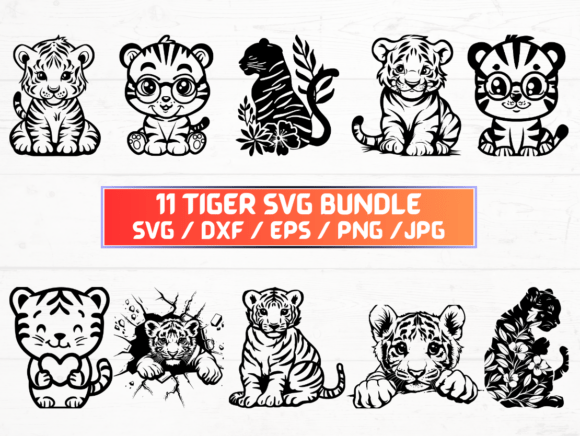
An SVG (Scalable Vector Graphics) file is a vector image format that allows for high-quality graphics that scale without losing clarity. The Tiger SVG File, specifically, represents a tiger in a scalable vector format, making it ideal for use across various platforms and mediums. This particular file comes with multiple formats included—such as PNG, DXF, JPG, and EPS—providing flexibility and adaptability for different applications.
With 14 files in a ZIP folder, including 14 SVGs, 14 PNGs, 14 DXF files, 14 JPGs, and 14 EPS files, this package offers a comprehensive set of resources for designers and creators who need versatility in their work. These files are available for instant download, ensuring quick access and immediate use without waiting for physical delivery.
Strategic Uses of the Tiger SVG File
The Tiger SVG File can be strategically used in a variety of contexts where visual representation plays a crucial role. For instance, businesses aiming to convey strength, power, or agility in their branding can leverage this file to create logos, icons, or illustrations that align with these themes.
Branding and Marketing: Incorporating the tiger image into marketing materials can help establish a strong brand identity. Its symbolism makes it particularly useful for companies in industries such as fitness, outdoor gear, or luxury products. Using the Tiger SVG File ensures consistency across different media types, from websites to print materials.
Design Projects: Graphic designers can use the tiger illustration in presentations, brochures, or social media graphics. The transparent background option in PNG files allows for seamless integration into various design layouts, while the vector format ensures crisp details at any size.
Educational Content: Educators and content creators can utilize the tiger image in educational materials, infographics, or children’s books. The high-resolution PNG files make it suitable for both digital and print-based learning tools.
Planning and Implementation Considerations
Before relying on the Tiger SVG File, it's important to consider how it fits into your overall strategy. Ask yourself: What message am I trying to convey? How does this image support my goals? Is there a specific context or platform where this image will be most effective?
- Define Your Objective: Determine whether the tiger image is meant to represent power, agility, or something else. Aligning the image with your core message ensures that it resonates effectively with your audience.
- Choose the Right Format: While SVG is excellent for scalability, other formats like PNG and JPG may be necessary for specific uses. Ensure you understand which format best suits each project requirement.
- Consider Licensing and Usage Rights: Make sure you have the appropriate rights to use the tiger image in your intended context. This is especially important if you're using it for commercial purposes.
Risks of Unintentional Use
While the Tiger SVG File offers many benefits, using it without clear goals or context can lead to ineffective results. For example, placing the tiger image in a setting where it doesn't fit thematically could confuse your audience or dilute your brand message. It's essential to approach its use with intentionality and strategic planning.
Additionally, overusing the tiger image without variation can result in visual fatigue or a lack of originality. Always consider how to incorporate the image in a way that adds value rather than becoming repetitive.
Practical Examples and Tips
Here are some practical examples of how to use the Tiger SVG File effectively:
- Logo Design: Create a bold and memorable logo using the tiger illustration. Combine it with your brand colors and typography to ensure a cohesive look.
- Social Media Posts: Use the tiger image in eye-catching posts that highlight your brand's values or promotions. The transparent background allows for easy overlay on different backgrounds.
- Print Materials: Incorporate the tiger image into business cards, posters, or packaging designs. The high-resolution PNG files ensure quality when printed.
When using the tiger image, always maintain a balance between creativity and consistency. Experiment with different compositions and color schemes, but ensure that the image supports your overall brand identity.
Long-Term Value and Decision-Making
Investing in the Tiger SVG File can provide long-term value by offering a reusable asset that can be adapted to various projects. As part of your digital toolkit, it can save time and effort compared to creating similar graphics from scratch.
However, it's important to evaluate whether this resource aligns with your long-term goals. If your brand or project requires frequent updates or custom illustrations, consider whether this file meets your evolving needs or if additional investments in design assets might be necessary.
Ultimately, the Tiger SVG File should be viewed as a strategic asset rather than a one-time purchase. By integrating it thoughtfully into your workflow, you can enhance your creative output, improve brand consistency, and achieve better results in your projects.