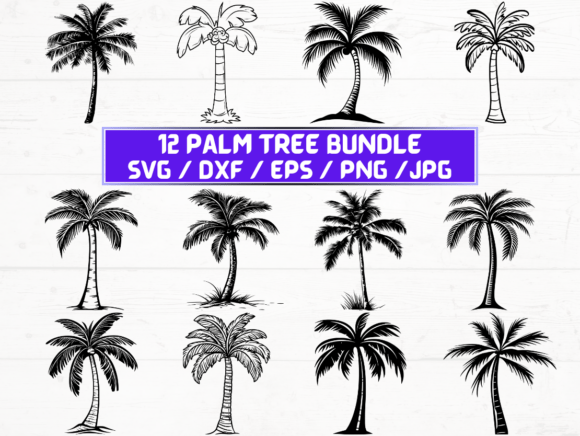
Palm Tree Laser Cut: A Versatile Digital Asset for Creative and Professional Use
For designers, entrepreneurs, and creators who rely on high-quality digital assets, Palm Tree Laser Cut offers a compelling solution. This digital product is designed to meet the needs of professionals and hobbyists alike, providing scalable and adaptable files that can be used across various platforms and tools. Whether you're crafting signage, creating custom art, or designing promotional materials, this collection of laser-cut files delivers precision and flexibility.
Understanding Palm Tree Laser Cut
Palm Tree Laser Cut refers to a set of digital design files specifically formatted for use with laser cutting technology. These files are optimized for accuracy and detail, making them ideal for producing intricate designs in materials such as wood, acrylic, or metal. The downloadable package includes multiple file formats, ensuring compatibility with a wide range of software and hardware solutions.
The product comes in a ZIP folder containing five distinct sets of files: SVG, PNG, DXF, JPG, and EPS. Each format serves a unique purpose, from vector-based editing in graphic design software to raster-based printing and laser cutting applications. With 15 files per format, users have ample options to choose from depending on their specific project requirements.
Key Features and Practical Value
One of the standout features of Palm Tree Laser Cut is its comprehensive file inclusion. The presence of 15 SVG files ensures that designers can easily edit and customize the palm tree designs using vector graphics software like Adobe Illustrator or Inkscape. This level of adaptability allows for precise adjustments without compromising image quality.
The PNG files, which come with transparent backgrounds, are particularly useful for digital projects where the background needs to be dynamic or layered. Their 300 dpi resolution guarantees sharpness and clarity, even when scaled up for large-format prints or displays.
DXF files, commonly used in CAD programs, make it easy for engineers and manufacturers to integrate these designs into their workflows. Similarly, JPG files offer a convenient option for quick sharing and online use, while EPS files provide scalable vector graphics suitable for print production at any size.
Real-World Applications and User Experience
In practice, Palm Tree Laser Cut proves to be an asset for a variety of creative and commercial endeavors. For instance, a small business owner looking to create branded signage might find the DXF files invaluable for producing durable and visually appealing signs. Meanwhile, a graphic designer working on a tropical-themed website could leverage the PNG files to incorporate seamless, transparent palm tree elements into their layout.
Its versatility extends beyond just visual design. Educators and workshop facilitators may use these files in teaching sessions about laser cutting techniques, offering students hands-on experience with real-world design challenges. The ability to download and use the files instantly also makes it a time-efficient resource for busy professionals who need to produce content quickly without delays.
Who Benefits Most from Palm Tree Laser Cut?
Palm Tree Laser Cut is particularly well-suited for individuals and businesses involved in the following areas:
- Graphic Designers: Needing high-resolution and editable files for print and digital media.
- Entrepreneurs: Looking to create custom branding materials, packaging, or promotional items.
- Small Business Owners: Seeking affordable and efficient ways to produce signage, decor, or merchandise.
- Artists and Crafters: Wanting to incorporate laser-cut elements into their artwork or DIY projects.
- Education Professionals: Teaching design, engineering, or craft-related subjects.
Whether you're working on a personal project or managing a professional workflow, the flexibility and quality of these files make them a valuable addition to your digital toolkit.
Evaluating Quality, Usability, and Long-Term Value
The quality of Palm Tree Laser Cut is evident in the attention to detail within each file. The clean lines and accurate dimensions ensure that the final output from a laser cutter matches the intended design. This consistency is crucial for maintaining professionalism in finished products.
Usability is further enhanced by the inclusion of multiple file types. Users don't need to convert formats manually, saving time and reducing potential errors during the design process. The transparent PNGs, for example, allow for easy integration into web banners, social media posts, or presentations without the need for additional background editing.
From a long-term perspective, investing in this digital asset provides ongoing value. As new projects arise, the ability to reuse and repurpose these files can streamline workflows and reduce costs associated with hiring external designers or purchasing pre-made templates.
Considerations and Limitations
While Palm Tree Laser Cut offers numerous benefits, it's important to consider a few limitations. Since it's a digital product, users must have access to the appropriate software and hardware to utilize the files effectively. Those unfamiliar with laser cutting equipment may require some learning curve before achieving optimal results.
Additionally, the product does not include physical samples or printed materials, so users should be prepared to experiment with different materials and settings to achieve the desired outcome. However, this limitation is offset by the cost-effectiveness and scalability of digital resources.
Final Thoughts on Palm Tree Laser Cut
Palm Tree Laser Cut represents a practical and versatile digital solution for anyone seeking high-quality design assets tailored for laser cutting and digital use. Its broad file support, consistent quality, and instant accessibility make it a reliable choice for professionals and enthusiasts alike. By integrating these files into your workflow, you can enhance the visual appeal and functionality of your projects while maintaining efficiency and control over the design process.